
Redefining Masculinity
Exploring toxic and positive masculinity

If there is one topic that ruffles feathers on both sides of the feminist/non-feminist divide, it is the topic of masculinity. For the past ten years, I have dedicated significant time and effort to researching and teaching the difference between toxic and positive masculinity to schools, parents and teenagers. A critique I get so often from my feminist sisters is “aren’t there enough resources going to men already”. The critique I get from the non-feminists on the other hand is more along the lines of “stop attacking men for being men”, or “take responsibility and stop blaming patriarchy and men for all your issues”. And yet, I find it incredibly important to continue talking and writing about masculinity, firstly because I do not believe true equality is impossible without meaningful, proactive engagement of men and boys, and secondly, because the trends we are seeing globally, especially in online spaces, make me terribly afraid for my son and for all the little girls, boy and theybies who will grow up in this polarised world. From Andrew Tate and an army of his copycats, to unrealistic expectations of body image (I’m looking at you Marvel), to the continued expectation that men need to be providers, never fragile, never weak, this system is dangerous and requires a deeper engagement from all of us, as parents and as feminists.
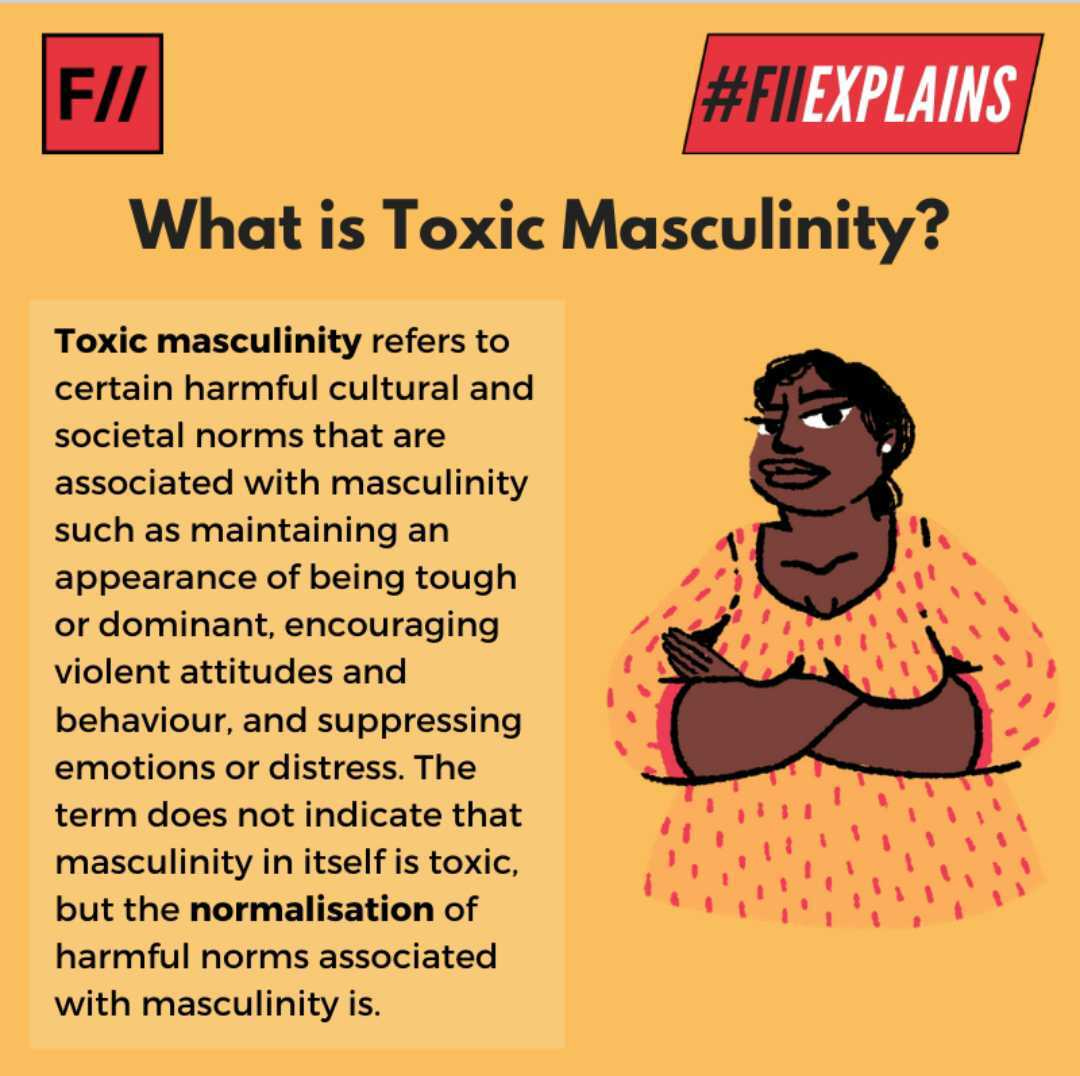
In this article, Feminism in India does a great job in breaking down what is toxic masculinity and the cultural and societal pressure that "men must perform their gender in ways that reflect steadfastness and antifemininity”. I highly suggest using this article as a starting point before you dive into the rest of the newsletter!
This month, we bring you simple ways to fight toxic masculinity at home, TED Talks, books and podcasts we love and go back to often as parents navigating the tricky waters of raising feminist families.
Seven Simple Ways to Fight Toxic Masculinity at Home
Lead by Example: Parents play a vital role in shaping their children's perceptions of masculinity. Demonstrate respectful and egalitarian behavior in your own interactions with your partner and others. Show that emotions, empathy, and communication are strengths, not weaknesses.
Encourage Emotional Expression: Create an environment where your children feel safe expressing their feelings. Encourage them to talk about their emotions and validate their experiences. Let them know that it's okay to cry, feel vulnerable, and seek support when needed.
Challenge Stereotypes: Be mindful of the media and toys your children are exposed to. Offer a diverse range of books, movies, and activities that break down traditional gender stereotypes. Encourage them to explore their interests without limitations based on societal expectations.
Promote Consent and Boundaries: Teach your children about consent from an early age. Help them understand the importance of respecting others' boundaries and communicating their own. This builds a foundation for healthy relationships built on mutual respect.
Educate about Healthy Relationships: Discuss what constitutes a healthy relationship. Emphasize qualities like communication, trust, equality, and shared responsibilities. Show them that relationships are partnerships where both individuals contribute and support each other.
Expose Them to Diversity: Encourage friendships and interactions with people from different backgrounds, genders, and cultures. This helps your children develop empathy, understanding, and appreciation for the richness of human diversity.
Encourage Non-Traditional Activities: Support your children's interests, whether they align with traditional gender norms or not. If your son wants to dance or your daughter wants to play sports, allow them to pursue their passions without judgment. This helps break down rigid gender roles.
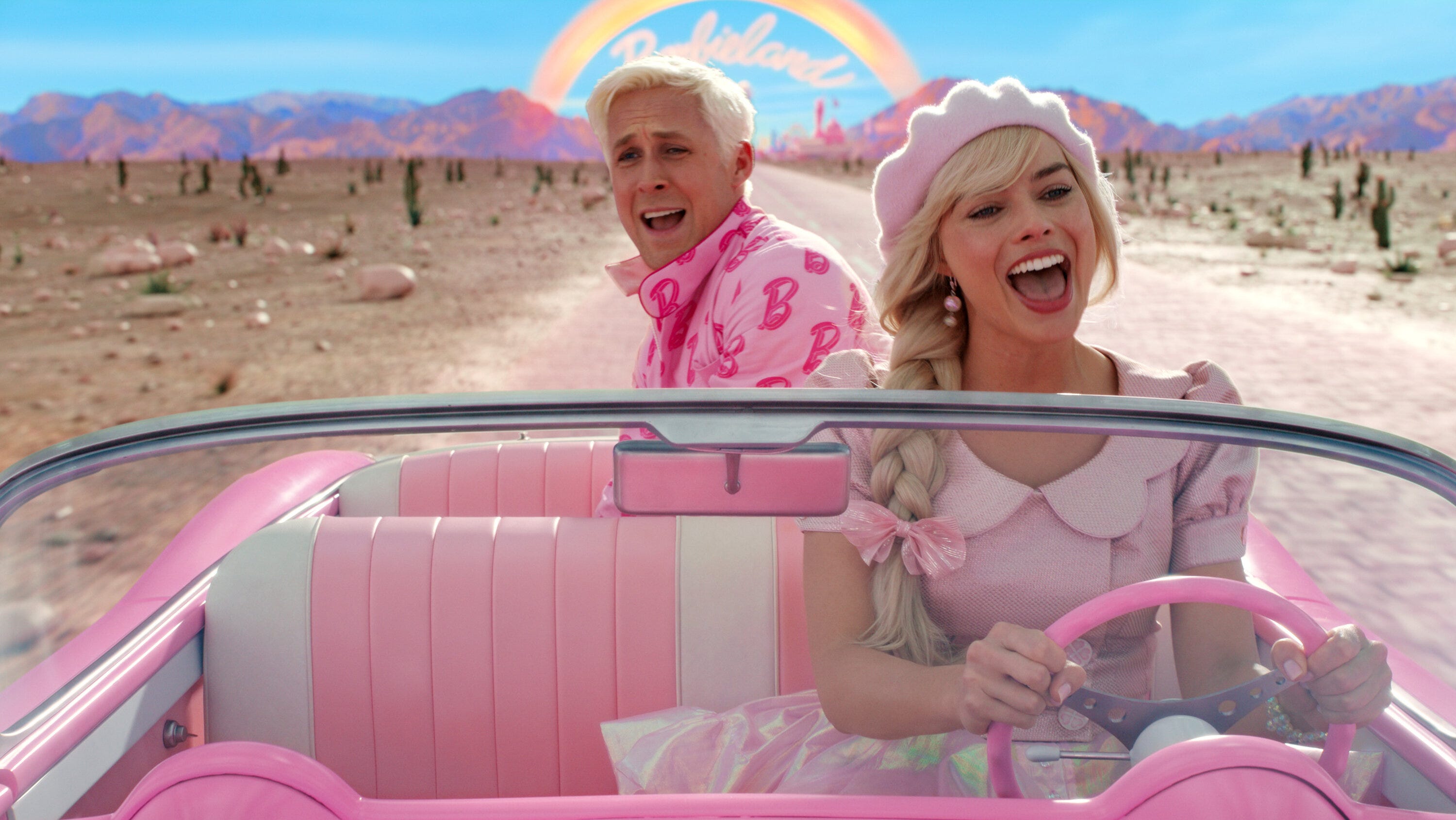
I Wept for Ken: Why Men Have the Most to Gain from Watching Barbie by Akin Olla
A feminist manifesto or a men-hating movie? In this great article, Olla explores the real-life effects of patriarchy and toxic masculinity on men and boys, from cronic loneliness and mental health issues and the increase in domestic homicide rates and emotional abuse.

Why ‘Mismatched’ Makes Us Hopeful About Indian Masculinities by Gauri Bhure-Roy and Kushal Sohal
Our very own Gauri and Kushal bring us this amazing article on the importance of seeing healthy relationships on screen after decades of problematic love interests on the silver screen and a path towards a healthier, softer version of Indian masculinity.
Boys and Men Hold the Key to Equality by Tena Pick
Have the gender roles for men changed? How do men fit into our fight for equality? In this TEDx talk Tena (me) draws on her experience working in the gender and equality space and ways in which men and boys can and should be engaged with.
Why Gender Equality is Good for Everyone-Men Included by Michael Kimmel
The OG researcher and advocate in the space of masculinity delivers a must-see TED talk on gender, what we consider to be the norm, intersectionality and making a case for equality for everyone.
Positive Masculinity and Parenting: The Reading (And Listening) List

For the Love of Men by Liz Plank is a gentle, hopeful book on ways in which toxic masculinity hurts men and a road map to a healthier version of masculinity. It by no means absolves men of their participation in harmful patriarchal practices, but it looks at ways in which men and boys deserve better- from one another, from the system, from us as parents. A must read for men, women who live with and around men, and parents raising boys to become better, happier and healthier men.
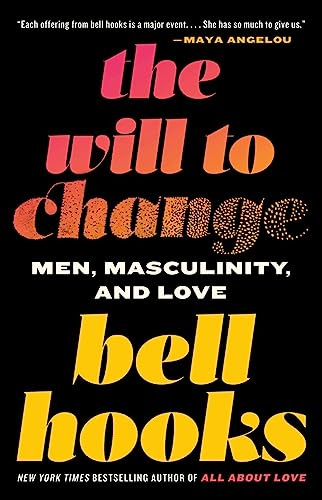
If you read a single book on masculinity, let it be this one.
“Everyone needs to love and be loved—even men. But to know love, men must be able to look at the ways that patriarchal culture keeps them from knowing themselves, from being in touch with their feelings, from loving.
In The Will to Change, bell hooks gets to the heart of the matter and shows men how to express the emotions that are a fundamental part of who they are—whatever their age, marital status, ethnicity, or sexual orientation. But toxic masculinity punishes those fundamental emotions, and it’s so deeply ingrained in our society that it’s hard for men to not comply—but hooks wants to help change that.”
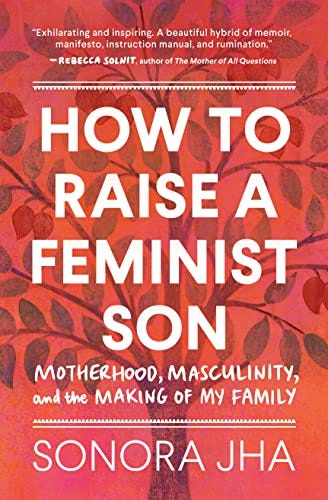
This memoir meets manifesto is full of tender, personal stories, cutting-edge data and research and practical to-dos. I cried, I laughed, I pondered and I hugged my boy close on multiple occasions. This is mandatory read for everyone concerned with the kind of men they are raising and the kind of world they are raising them in. The chapters on family, media, sex and our own failures as feminists resonate so deeply with my own concerns. I have been recommending this book left right and centre since I read it!
Not just for parents of boys, this is a book for everyone looking to deepen their understanding of masculinity and the importance of creating your own village.
An extra bonus: the author is Indian living in the US and brings both perspectives to the table. There is no feminism without anti- classism, anti-casteism and anti-racism and Sonora Jha is not afraid to challenge us, herself or her son on any of those issues.
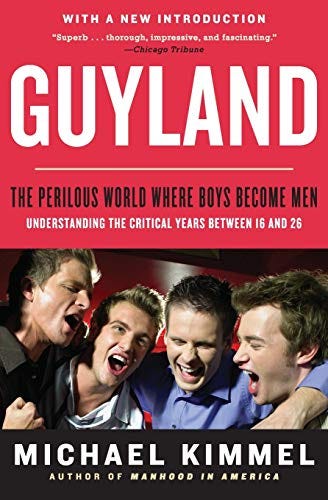
“The passage from adolescence to adulthood was once clear. Today, growing up has become more complex and confusing, as young men drift casually through college and beyond—hanging out, partying, playing with tech toys, watching sports. But beneath the appearance of a simple extended boyhood, a more dangerous social world has developed, far away from the traditional signposts and cultural signals that once helped boys navigate their way to manhood—a territory Michael Kimmel has identified as "Guyland."“
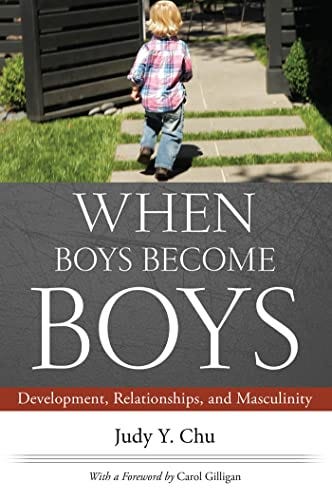
“When Judy Y. Chu first encountered the four-year-old boys we meet in this book, they were experiencing a social initiation into boyhood. They were initially astute in picking up on other people’s emotions, emotionally present in their relationships, and competent in their navigation of the human social world. However, the boys gradually appeared less perceptive, articulate, and responsive, and became more guarded and subdued in their relationships as they learned to prove that they are boys primarily by showing that they are not girls.
Based on a two-year study of boys aged four to six, When Boys Become Boys offers a new way of thinking about boys’ development. Chu finds that behaviors typically viewed as “natural” for boys reflect an adaptation to cultures that require boys to be emotionally stoic, competitive, and aggressive if they are to be accepted as “real boys.” Yet even as boys begin to reap the social benefits of aligning with norms of masculine behavior, they pay a psychological and relational price for hiding parts of their authentic selves.”
Men Enough Podcast
Co-hosted by Liz Plank, this is an amazing podcast approaching the issues of masculinity with a lot of love and understanding, but also without fear of diving deep into the issues that men and boys face, and the implications they have on women, girls and society as whole.