
Language and Power

Our theme for October has been language and power and how the (gendered) words we use shape our reality. I have been guilty of using “guys” as a gender neutral greeting, but what that does is it perpetuates the notion that the masculine is the norm and the feminine the deviation from that norm. To clean up my language has been no easy feet, but one that ultimately leads to a more equitable world around me and signals to others I am respectful of their identities.
In this month’s issue, we bring you the lessons from our Circle, an essay about getting comfortable with being uncomfortable asking for what you deserve and further watching, reading and listening recommendations.
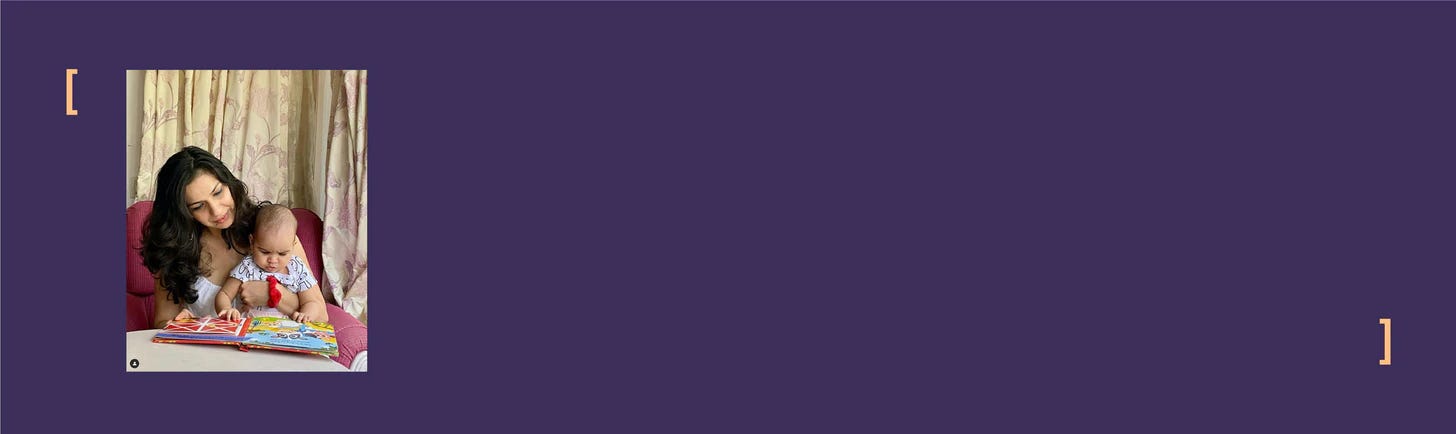
Language and Power: Circle Lessons
Written by: Gauri Bhure Roy
When Robin Lakoff wrote the first article on language and the women’s place, it was received by some as “feminist paranoia”. Luckily, it set the ball rolling for responses, further research and much debate. Today, in 2022, we do not debate the spuriousness of the links between gender, language and power and the ways in which they reinforce existing paradigms. We do however, continue falling into the traps that passes down to our children, the same hegemonic ideas that recreate inequity through language.
I must note here that the language I am attempting to unpack is English, a language I inherited from India’s former colonisers. Despite a lifetime of hearing Marathi in the household, English is the language that shapes my imagination and the one in which I can convey my most nuanced thoughts. That in itself is fraught with many issues of power, culture and identity that is outside the scope of our newsletter at this point. But one that deserves a mention nonetheless.
Gender and Language
It is easy to believe the claim by linguists that language shapes our imagination – so not just what is but also what can be. I often think of what that means when there no words for certain things. For example, a housewife is an established occupation and enjoys its place in the world of words. So if I am a housewife, I have the legitimacy of language to declare my place in the world. Some men, who are husbands and happen to run the household, are described as house husbands, not a word but an explanation. I wonder how that impacts both the psyche of the men who opt for this choice as well as the possibility of this as a choice at all for men.
In English, the language many of us are raising our kids in or around, the masculine is both specific and the neutral and the default, while the feminine is subsumed within this larger whole. Mankind, thus, refers to all humanity, while womankind refers to women specifically. In its very construction, the most central binary of our socialised lives, women are told their very existence as a gender is relational to the central default principle, the masculine.
Gender and Speech
In addition to this or perhaps even because of it, there are reams of research that show us the ways in which women communicate differently from men. One doesn’t need to be a sociologist to hear the differences in tone and register. For example - making a suggestion even when one is in the position of issuing an instruction (What if we….?”). Or, leading up an apology for joining a conversation (Sorry but can I ask a question – as opposed to simply asking the question). Or my personal default, the gentle questioning inflection at the end of sentence to garner consensus (We should redo the report, don’t you think?).
It isn’t a surprise why women tend to use milder, explanatory, and apologetic language in public spaces – the reception to assertiveness differs across genders. Men are perceived as authoritative or confident for the same things that women can come across as dominating or bossy. The other side of the same coin is that if women feel less heard, less impactful and less able to communicate their needs and thoughts – the lack of agency can make them resort to nagging, whining or silence as a means to communicate when clear words fail. In order to prevent our children from inheriting these double binds, here is a list of dos and don’ts we can embrace in our lives and thus hand down to them.
Dos and Don’t’s
Model respectful, kind language within the family and its allied structures like the help.
Learn to listen so you can set an example on listening and empower your children by making them feel heard.
Sensitise yourself to differences in speech within the family – how do the women talk to the men, how do people talk to each other, are the same decibels allowed across genders?
Do not apologise for joining a conversation, making a suggestion or having a contrary opinion.
Introduce early the idea of elected pronouns and explore your own bias of the gender binary
When possible use the gender neutral occupations – e.g. chairperson
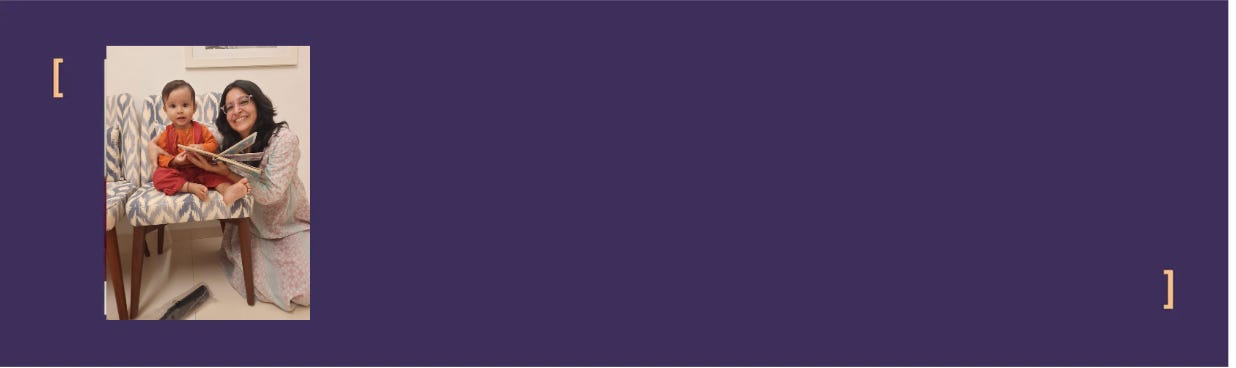
Getting Comfortable with the Uncomfortable
Written by: Shikha Sethi
The other day my Instagram feed threw up a gem that made me feel seen in only the way memes can. The feminist astrologer Chani Nicholas had reposted a funny TikTok reel about a young woman editing a work email to come across as more assertive. The headline text above her reads “Drafting my emails *like a man* to assert my authority”.
She achieves this in an Internet second by deleting all the niceties of the first 100 word-draft – the polite I hope you’re well, the gratuitous smiley face, the long-winded explanation of why she was asking for what she’s asking – until she is left with two words. Kevin provide. I laugh guiltily, and share the meme with a girlfriend.
I’m an English literature major so I’ve been reading about power and language since I was at least 16 – about how language creates our worldview as much as it reflects it. I know there is nothing neutral about the words we use, and they carry embedded in them cultural signifiers, which are more often than not rooted in the patriarchy. And yet, at 39, as a full grown adult woman, and like most adult women I know, the language I use is often not very powerful at all. In general, it is polite to a fault, it is tentative (Oh, the horror! the horror – of imposing), it is warm, it can be gushy, it is generally sympathetic. As a woman, I’ve been raised to consider the feelings of others. It’s why, for example, I found it hard to say no when my doula asked me for a testimonial, despite possibly knowing that my birthing experience felt like an open wound, having progressed from a planned water birth to an unplanned C-section. I agonised over that WhatsApp text, poring carefully over each word. After I’d sent it, I felt like I’d swum an ocean.
But is this a bad thing? To be polite, to be soft-spoken? To be gentle? To be empathic? To think about your words might affect another? If we are going to privilege a communication style, shouldn't we be asking men to soften theirs instead of asking women to be more blunt? I value gentleness, consideration, care and community, and my language reflects that.
It’s not that simple though, because of course, much of this tiptoeing in the realm of language reflects a similar tiptoeing in real life too – an attempt to acquire power in a culture that does not easily hand it over to women.
And so what could otherwise be easily attributed to a harmless personal trait acquires an edge. In situations that I find difficult – asking for more money, negotiating a better deal for myself at work, claiming me-time as a working mom of a one year old by spending a night more than strictly necessary at my mum’s house – the tentativeness of my language isn’t coming from a noble place. It’s coming from fear. Of being rejected, of being considered unworthy of the raise, of being thought of as a lazy, selfish mother. Of taking up space that isn’t mine to take up.
And so, as an experiment, I am going to start using more assertive language – especially in those situations where it feels most uncomfortable to do so. I’m going to examine the wellspring of my discomfort. I am going to try and say the things that feel unsayable more often. I will continue to communicate with grace as far as possible. To speak my truth in ways that build, nurture, foster collaboration instead of alienation. But when the choice is between saying the thing I need to say in an imperfect, messy way, and not saying it at all, I will choose the former, even though all my life I’ve chosen the latter. Nothing less will do.
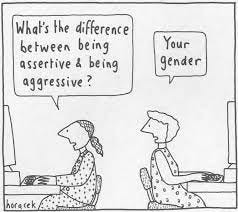
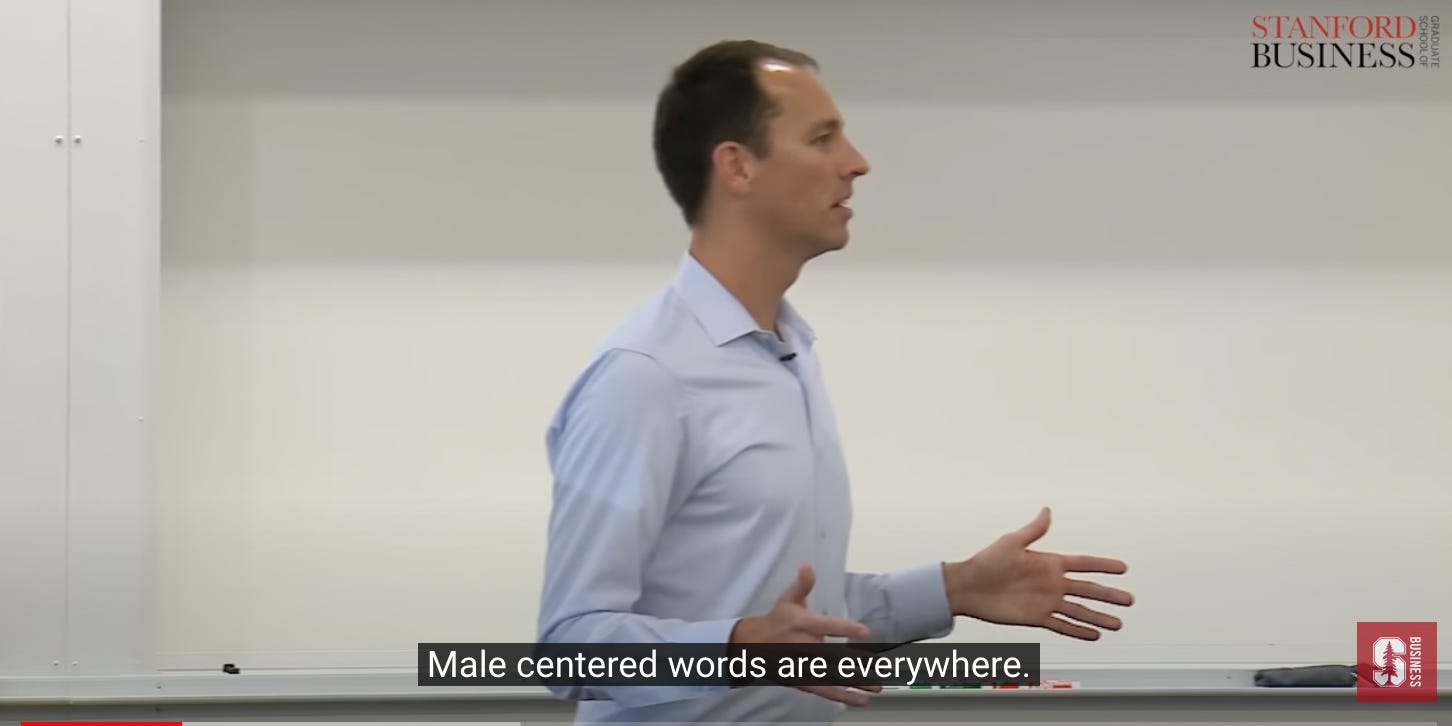
This great video talks about the importance of gendered words and how they shape the way we perceive and are perceived in the world. Win Chesson makes a strong case for using gender-savvy language.
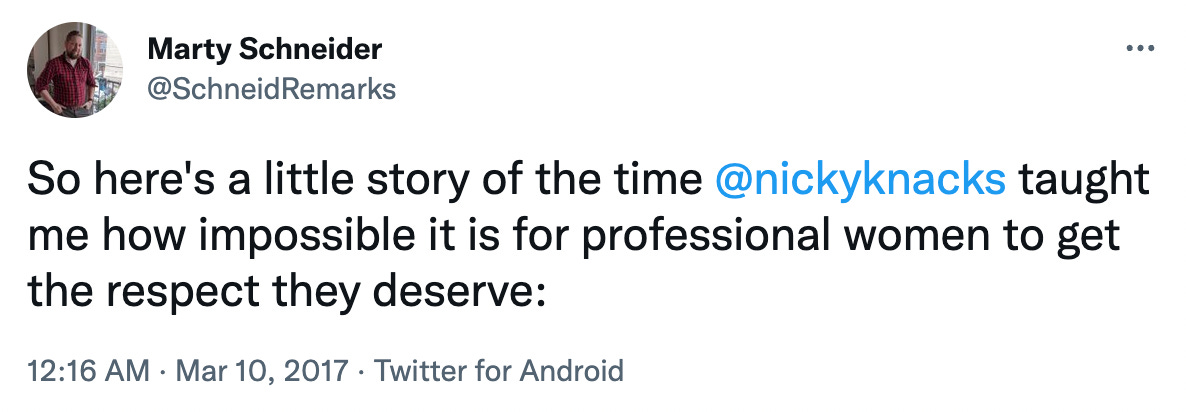
How does our perception of someone’s expertise change depending on their gender? Well, Marty found out the hard way. This Twitter thread from 2017 is still an amazing example of what it’s like for professional women and how our communications styles change depending on who is on the receiving end.
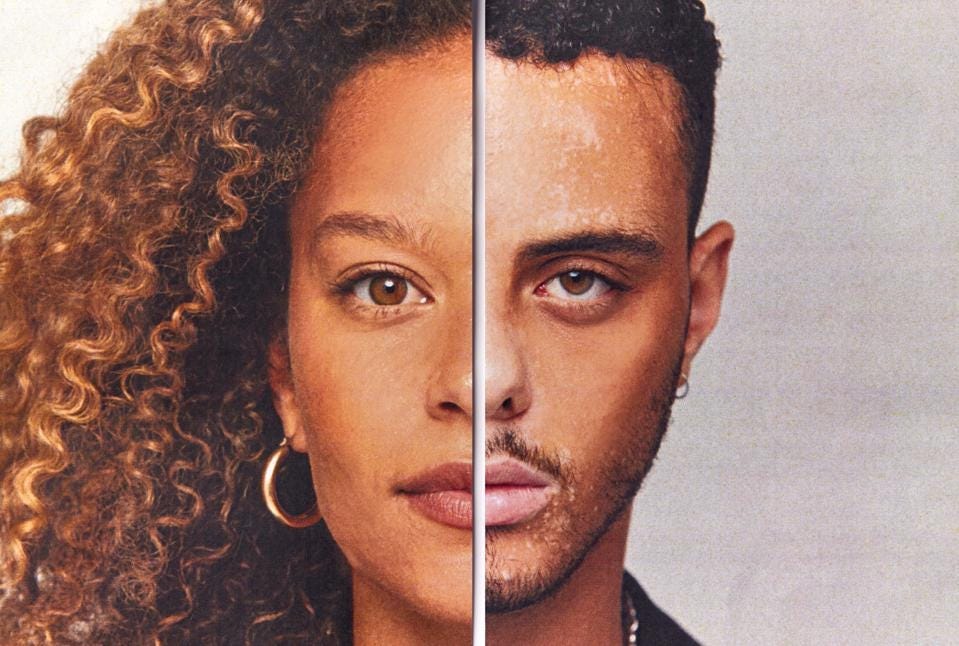
This article explores the specific ways in which language can be used to exclude or include LGBTQI+ individuals and those who do not identify with the gender binary.
Currently Listening To: Africana Woman with Chulu
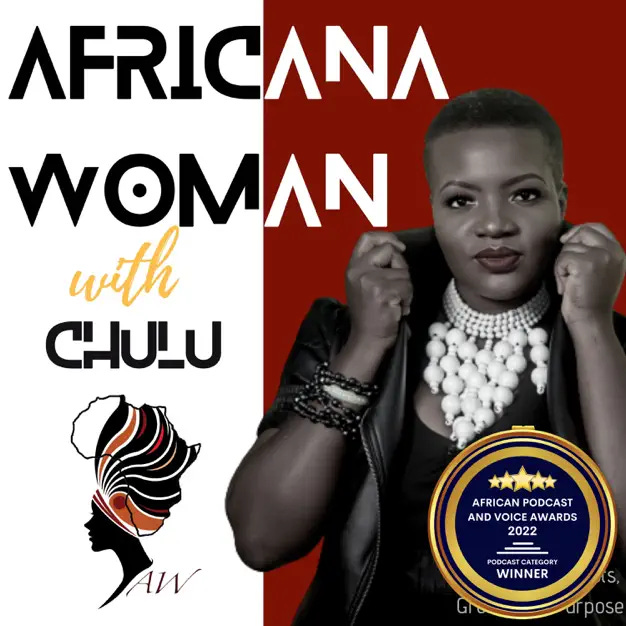
The most amazing podcast sharing stories from the African continent, raw, honest and vulnerable. Exploring topics such a knowing your roots, religion, mental health and many more, this is a vault of information for all women with a distinct local flavour.
December Circle: Holidays, Family and Traditions
Via Zoom, date to be announced.
